THE BASOTHO PONY
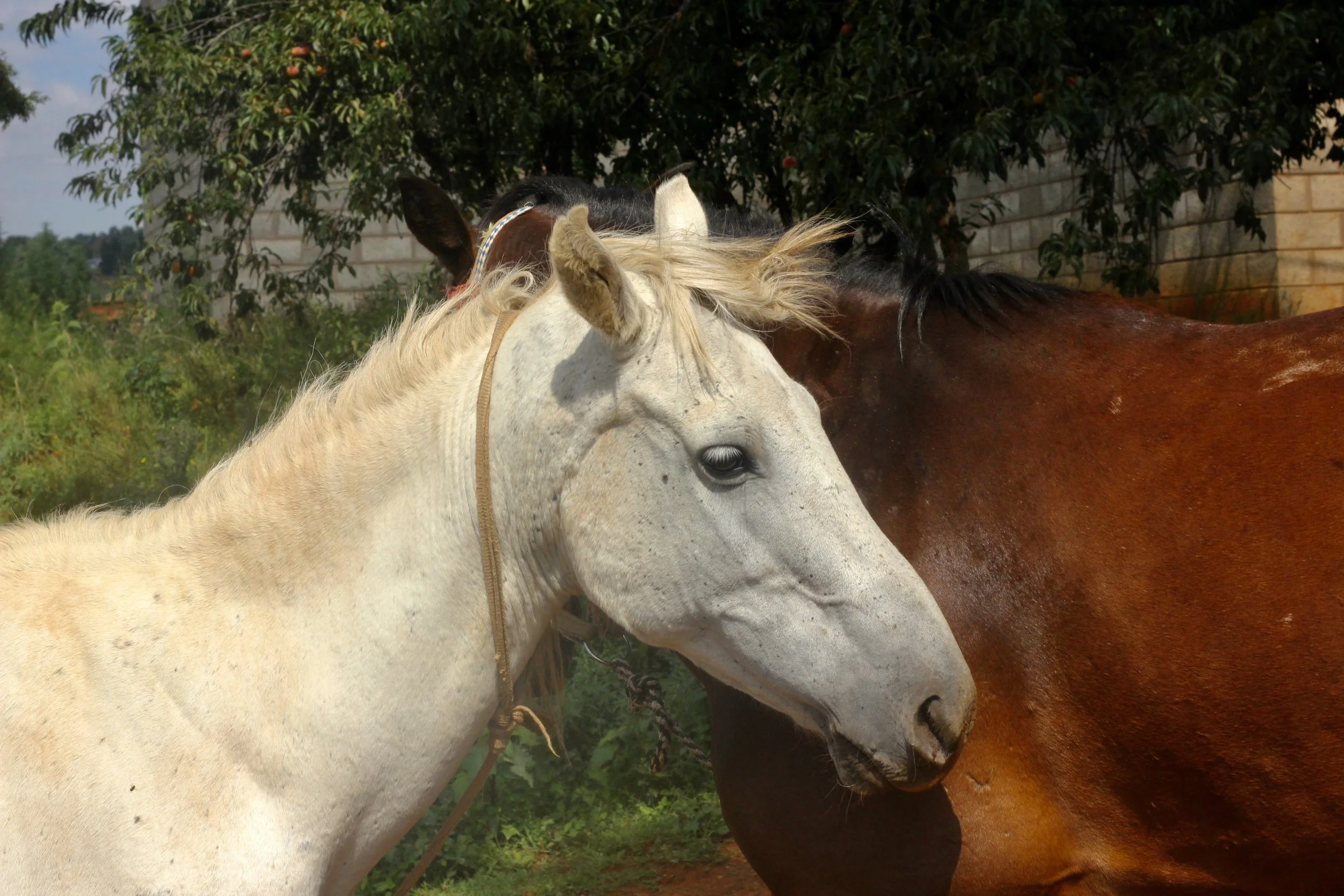
A Horse Built by Altitude
The Basotho pony is not flamboyant.
It does not have the theatrical suspension of a warmblood or the commanding presence of an Arab. It is compact. Muscular. Economical. Made for survival rather than spectacle. It has hooves of titanium and an attitude that would make Marcus Aurelius proud.
Developed in the highlands of Lesotho, this pony descends largely from Cape Horse bloodlines, shaped over generations by altitude, cold, rock, and necessity. There is no excess on these horses. No decorative flourish. Everything about them is purposeful.
They climb where vehicles cannot. They cross mountain passes in snow and dust. They carry shepherds wrapped in thick Basotho blankets, moving across ridgelines that look, to the uninitiated, frankly impossible.
They are not luxury animals. They are infrastructure. Most of these herdsmen could not survive up here without them.
In Lesotho, the horse is not sport. It is not leisure. It is transport, status, livelihood, inheritance, and sometimes the only reliable connection between one village and the next. In a country where much of the terrain sits above 1,800 metres, the Basotho pony is not romantic folklore, it is daily life.
And yet.
Watch a horseman crest a ridge at sunset and I challenge you to tell me there is no poetry in it.
There is something ancient in the silhouette: blanket flaring, pony stepping carefully along a cliff edge, sky opening endlessly behind them.
It deserves reverence. This small, stoic pony deserves reverence.
BASOTHO PONY :
Origin
Developed in Lesotho
Adapted to high-altitude terrain (most of Lesotho sits above 1,800m)
Bred primarily for endurance, sure-footedness, and resilience
Average Height
Typically 13.2 – 14.2 hands (137 – 147 cm)
Some individuals slightly smaller or larger depending on blood influence
Compact, strong bone, deep chest
Build & Conformation
Short-coupled, muscular body
Strong, well-developed hindquarters
Hard, durable hooves
Thick winter coat for mountain climate
Intelligent, alert expressionGaits
Walk: Energetic, ground-covering
Trot: Active, economical rather than extravagant- some of them also triple like the Icelandic horses
Canter: Balanced and efficient
Known for exceptional sure-footedness on steep, rocky terrain
Bred for stamina over suspension; function over flourish
ColoursCommon colours include:
Bay, Brown, Chestnut, Grey, Black. Less common but present: Roan, Dun
Temperament
Hardy and resilient
Intelligent and independent
Calm but bold in difficult terrain
Strong work ethic
Breeding History
Descended largely from the Cape Horse of southern Africa
Influenced by:
Arabian bloodlines (via early colonial imports)
Thoroughbred influence
Various European horses brought to the Cape in the 17th–19th centuriesNatural selection played a significant role; harsh climate and mountainous terrain shaped durability
Historically bred by Basotho horsemen for utility, not show
Traditional Use
Mountain transport
Herding livestock
Rural commuting between villagesIf there is one defining characteristic, it is this: endurance at altitude. They are not decorative ponies. They are mountain infrastructure with a heartbeat.
