o1 / MISSION
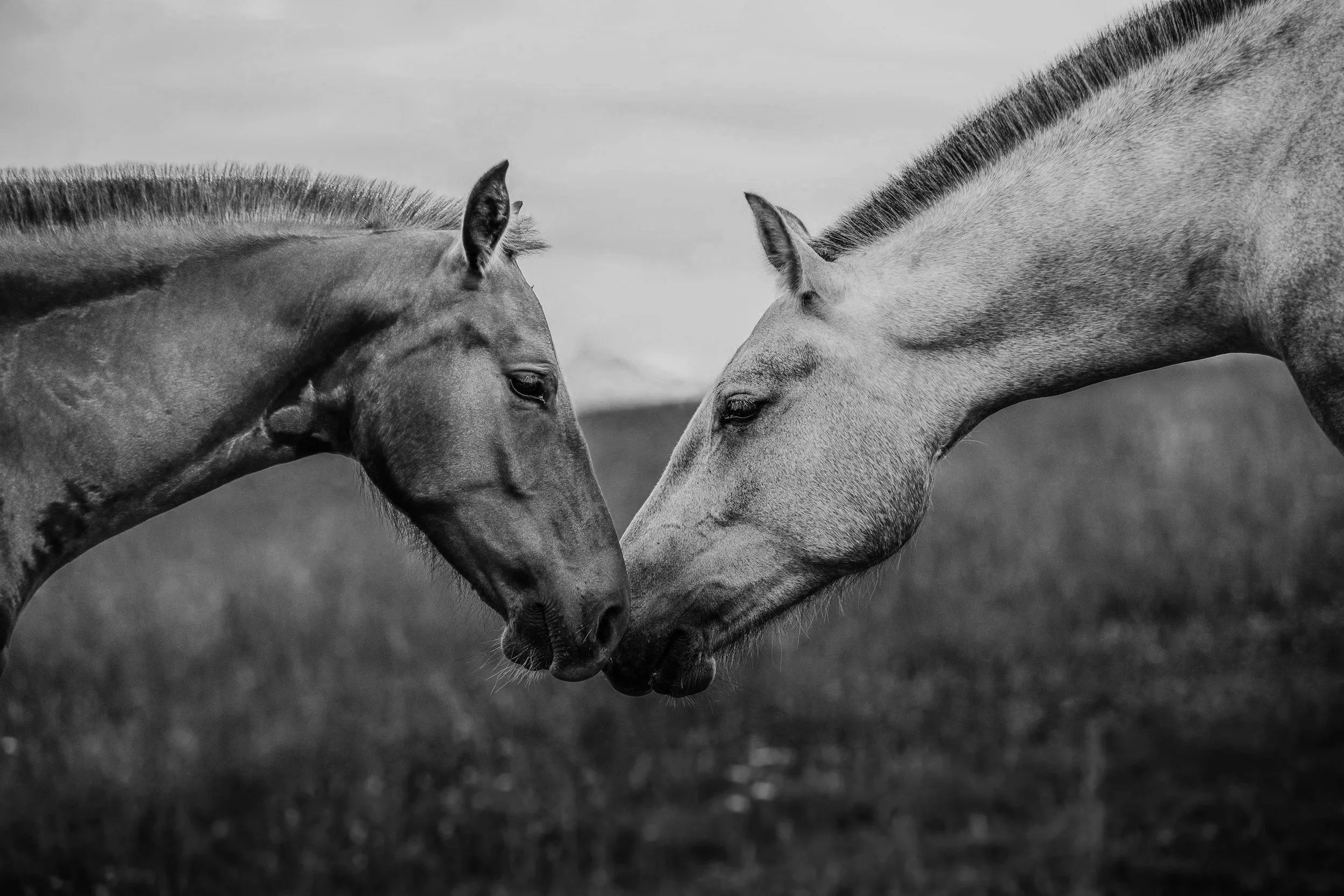
FARAS follows the horse as the mirror of civilisations.
It asks, what do horses reveal about the societies that live beside them?
Through sustained research and photographic work, the project seeks to document living horse cultures .
The archive is built as a record of relation, not extraction.
RETURNING PRACTICE
FARAS is approached over an extended period of time and from within the communities themselves, rather than through brief encounters. I try to build relationships and work alongside the horsemen, allowing the work to develop through familiarity, observation and trust.
The camera is only one part of the process. Time spent travelling, riding, listening and learning is equally important. I am interested not simply in the horse as an image, but in the systems of knowledge, ritual, labour and attachment that surround it.
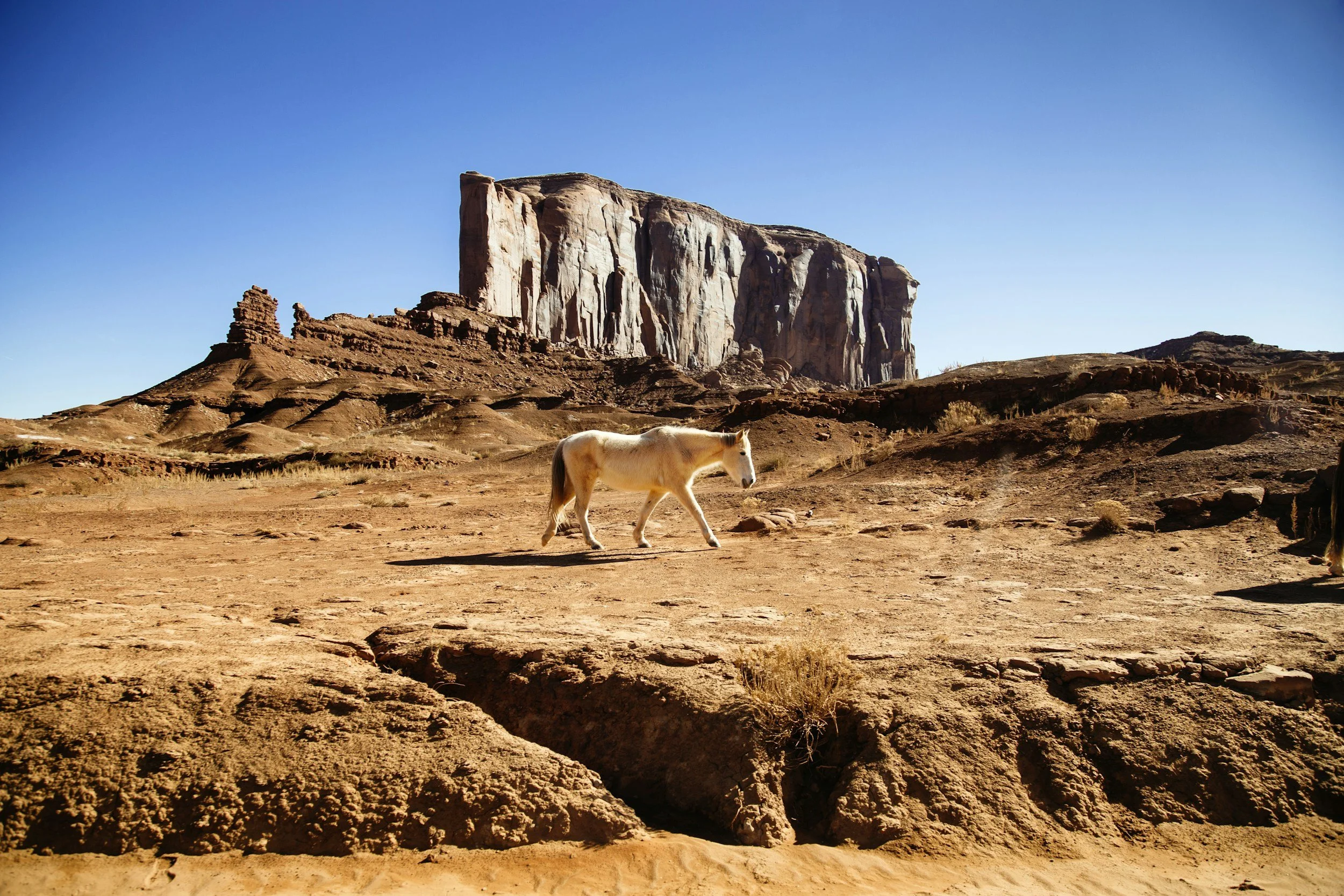
The work is deliberately slow. Rather than seeking spectacle, FARAS looks for moments in which the relationship between horse, rider, landscape and community becomes visible.
Each chapter develops through research, conversation and sustained photographic observation, allowing the character of a place to shape the work rather than imposing a predetermined narrative upon it.
02/ METHODOLOGY
TO ENTER A LANDSCAPE IS TO BECOME PART OF IT.
SHARED AUTHORSHIP
FARAS recognises that these photographs are made through relationships, and that the people within them are not simply subjects of the work. Names, histories, permissions and context are part of the photographic process.
The project resists the distance between photographer and subject that can turn a community into an image. Wherever possible, the work develops through collaboration, conversation and repeated encounters. The people who open their homes, stables, landscapes and traditions to the project become part of its authorship.
This is particularly important when photographing horse cultures that have been represented through colonial, anthropological or romanticised frameworks. FARAS seeks instead to remain attentive to lived experience: to how horses are known, valued, worked with, cared for and remembered by the people whose lives are intertwined with them.
The resulting photographs are therefore not intended as definitive representations of a culture, but as fragments of relationships encountered over time.
Wherever horses remain essential, they reveal something profound about the people who depend on them.
03/ RESEARCH CHRONOLOGY
FEBRUARY 2026
LESOTHO HIGHLANDS TRIP
MARCH-JUNE 2026
LESOTHO EDITING. COLLATING. REFINING
JULY + AUGUST 2026
LESOTHO SOLO EXHIBITION, YOUNGBLOOD GALLERY CAPE TOWN
SEPTEMBER 2026
ETHIOPIA TRIP